
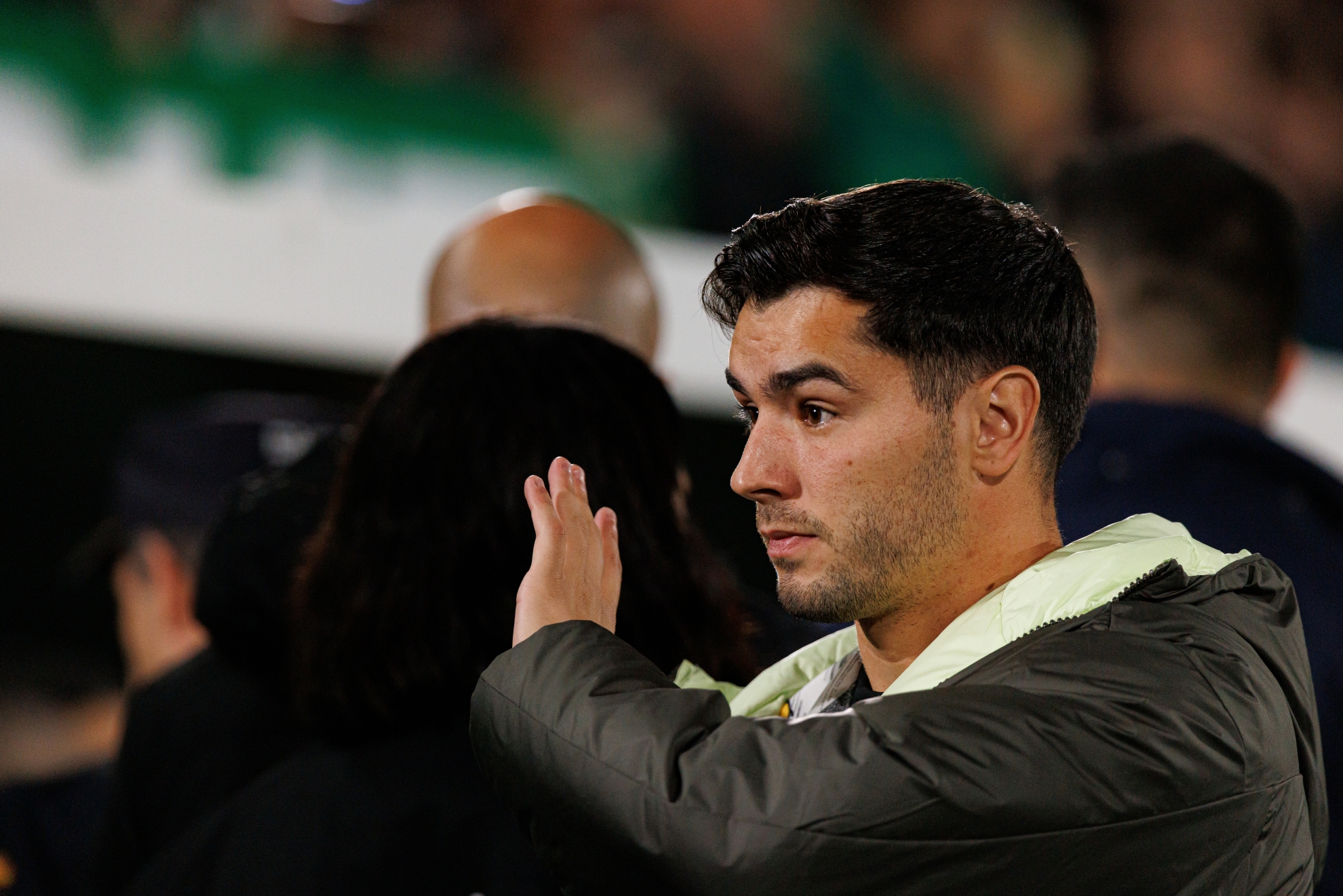
The Real Madrid forward’s long journey from switching allegiance to Morocco, becoming AFCON’s top scorer, to a failed Panenka penalty that would’ve clinched the tournament
Back in March 2024, Brahim Díaz officially declared his allegiance to the Morocco national football team, ending a long pursuit by the country’s federation. The switch from Spain, for whom he debuted in June 2021, was the result of years of dialogue rather than a sudden change of heart.
Moroccan officials had been encouraging him to represent his father’s country since his teenage years, and the pressure intensified as his profile grew.
During the 2023/24 season, Morocco coach Walid Regragui visited Brahim five times in person. The intention was clear. Morocco wanted him not as a squad option, but as a central figure in the national team’s future.
Brahim later explained that the decision was emotional but calm, not reactive.
“I feel 100 percent Spanish and 100 percent Moroccan,” Brahim explained in an interview with Cadena SER. “I grew up in Spain but I have Moroccan roots. The affection that Spain and Morocco have shown me is immense; they are two wonderful countries.
“I always decide with my heart, and that’s how it was this time too. I’m a simple guy with dreams. I had to choose between two countries I love. Morocco gave me this opportunity, and I’m very grateful. I wasn’t thinking about whether or not Luis De La Fuente would call me when I made this decision. The affection and the project they’ve shown me in Morocco seem very good to me.
“Right now, I don’t know what else to tell you, but I can say that I’m 100 percent convinced of my decision, so there’s no point in thinking about what would have happened if… Nothing was going to change. I’m at peace, I’ve chosen, and there’s no need to dwell on it. You make a decision, and you don’t look back.”
Morocco’s persistence and a promise of belonging
Born in Spain to a Spanish mother and a Moroccan father, Brahim came through Spanish youth teams and appeared once for the senior side. But Morocco never stopped believing he could be persuaded.
Suggested Articles


That belief was reinforced by direct involvement from senior figures, including federation president Fouzi Lekjaa. Regragui recalled a pivotal meeting in January 2023 when he and Lekjaa spoke to Brahim about what representing Morocco could offer beyond selection alone.
“The truth is I didn’t lie to him when I told him that here he will have people who will love him for life and that if he dies for the team, for the fans, they will never forget him, and that he can win titles too, he can play in the World Cup,” Regragui said. “That’s what’s happening to him now and I’m very happy.”
From hero to zero: A Panenka penalty miss for the ages
Brahim hit the ground running in the Africa Cup of Nations by scoring in each of his first five games to become the only player in the tournament’s history to score five goals in consecutive matches.
He didn’t find the back of the net in a 0-0 semi-final draw against Nigeria, but Morocco sealed qualification to the final on penalties.
Then came the moment that marked the tournament, as Brahim had the opportunity to clinch the title by converting the penalty kick in the final against Senegal.
However, the Real Madrid forward’s decision to attempt a Panenka deep into second half stoppage time didn’t pay off: Senegal’s Édouard Mendy guessed correctly by staying in the middle of his goal, and easily collected the ball.
And in the extra time that ensued, Senegal went on to win it with a fine strike from Villarreal’s Pape Gueye, meaning that Morocco’s 50-year wait to win the tournament must go on.
The award of AFCON’s Golden Boot as the tournament’s top scorer will be little consolation for Brahim, and it now remains to be seen what the future holds for him with the national team: whether the careless nature of his penalty has ruptured relations with the country, or if his superb performances throughout the tournament are enough to regain its backing.