
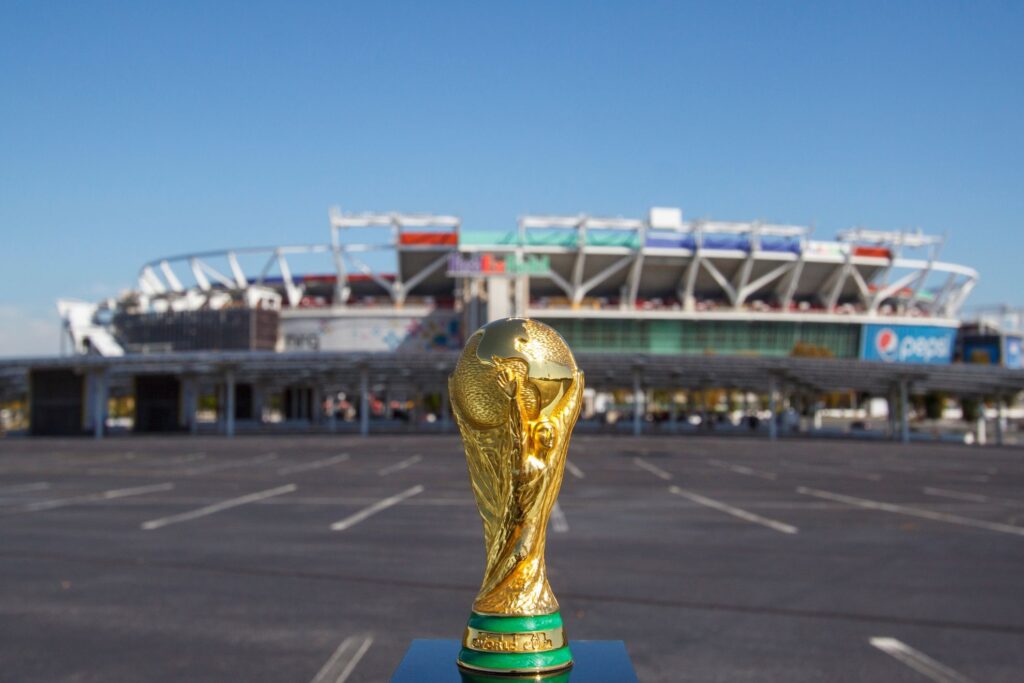
Everything you need to know about the 2026 World Cup’s new 48-team format, group stage, knockouts, and qualification rules
The 2026 FIFA World Cup will be the first in history to feature 48 teams, marking the biggest expansion the tournament has ever seen. Hosted jointly by the United States, Canada and Mexico, the expanded format will change how teams qualify, how the group stage works, and how the knockout rounds are structured.
Here is a full, clear explanation of how the 48-team World Cup works, why FIFA introduced the change, and what it means for the tournament.
Why the World Cup expanded to 48 teams
FIFA officially approved the expansion from 32 to 48 teams in 2017, with the new format debuting at the 2026 World Cup.
The main reasons behind the decision were:
- To give more nations the chance to qualify for the World Cup
- To increase global representation, particularly from Africa, Asia and Oceania
- To grow the tournament’s commercial reach and audience
- To reflect the growth of international football worldwide
The 2022 World Cup in Qatar, won by Argentina, was the final tournament to use the 32-team format that had been in place since 1998.
How many teams qualify for the 2026 World Cup?
A total of 48 national teams will qualify for the 2026 World Cup.
Automatic qualification for host nations
Because the tournament is hosted by three countries:
- United States
- Canada
- Mexico
All three qualify automatically, reducing the number of qualification places available through continental competitions.

What is the 48-team World Cup format?
The 2026 World Cup will use a 12-group format, with four teams in each group.
Key format details
- 48 teams
- 12 groups
- Four teams per group
- Top two teams from each group qualify
- Eight best third-placed teams also qualify
This means 32 teams progress from the group stage to the knockout rounds.
How the group stage works at the 2026 World Cup
Each group will contain four teams, and every team will play three group matches.
Group stage rules
- Win: 3 points
- Draw: 1 point
- Loss: 0 points
Group ranking tiebreakers
If teams finish level on points, rankings are decided by:
Suggested Articles


- Goal difference
- Goals scored
- Head-to-head record
- Fair play points
- Drawing of lots (if required)
The top two teams in each group qualify automatically, while the eight best third-placed teams also advance.
How the knockout stage works
The knockout phase of the 2026 World Cup begins with a round of 32, a stage that did not exist in previous tournaments.
Knockout rounds
- Round of 32
- Round of 16
- Quarter-finals
- Semi-finals
- Third-place play-off
- Final
From this point on, matches are single elimination.
Extra time and penalties
- If a knockout match is level after 90 minutes, extra time is played
- If still level, the match is decided by a penalty shootout
How many matches will be played at the 2026 World Cup?
The expanded format significantly increases the number of matches.
Match totals
- 2026 World Cup: 104 matches
- Previous 32-team World Cups: 64 matches
The increase allows more teams to participate while still maintaining a traditional knockout structure.

Is the 48-team World Cup format good or bad?
The expansion has been widely debated.
Potential advantages
- More countries experience the World Cup
- Increased representation from underrepresented regions
- Greater global interest and engagement
- More matches for fans and broadcasters
Concerns and criticism
- Risk of mismatches in the group stage
- Increased physical demands on players
- Longer tournament duration
- Concerns about competitive balance
FIFA has stated that the four-team group format helps reduce the risk of non-competitive matches compared to earlier expansion proposals.
How the 48-team format compares to previous World Cups
| Tournament | Teams | Groups | Matches |
|---|---|---|---|
| 1998–2022 | 32 | 8 | 64 |
| 2026 | 48 | 12 | 104 |
The core structure of group stage followed by knockout football remains intact, despite the increased scale.
Will the 48-team format change future World Cups?
FIFA has indicated that the 48-team format is likely to remain for future tournaments beyond 2026, though minor structural adjustments are always possible.
FIFA appears keen on expanding their tournaments to include more federations, giving smaller nations the opportunity to achieve the dream of playing on the world stage. But there are no concrete plans as of yet to expand the tournament any further. Any future changes would depend on various factors, from competitive balance and player welfare, to fan response and logistical considerations
For now, the 2026 World Cup will serve as the benchmark for expanded tournaments going forward.
Final thoughts
The 48-team World Cup represents a historic shift in international football. While it brings logistical and sporting challenges, it also offers unprecedented opportunities for nations that previously struggled to reach the tournament.
While there has been significant scepticism about an expanded tournament, the likes of Curaçao, Uzbekistan and