
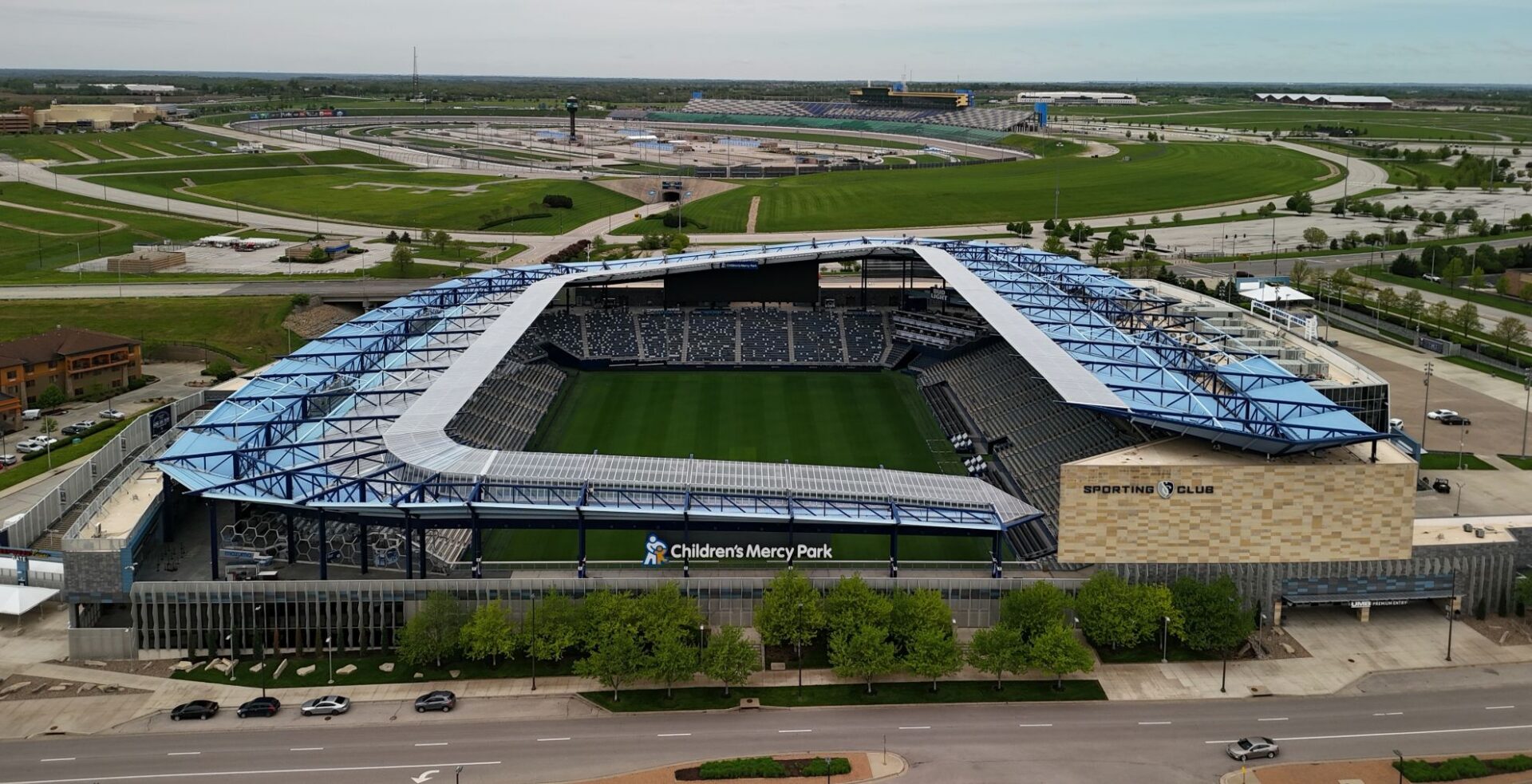
England, Argentina and the Netherlands have chosen Kansas City as their 2026 World Cup base. Here’s why the US Midwest city is becoming a tournament hub
Kansas City was not the obvious glamour pick when nations began identifying their base camps for the 2026 World Cup. As preparations intensify for the first 48-team tournament staged across the United States, Canada and Mexico, the Missouri–Kansas metropolitan area has emerged as one of the most in-demand locations.
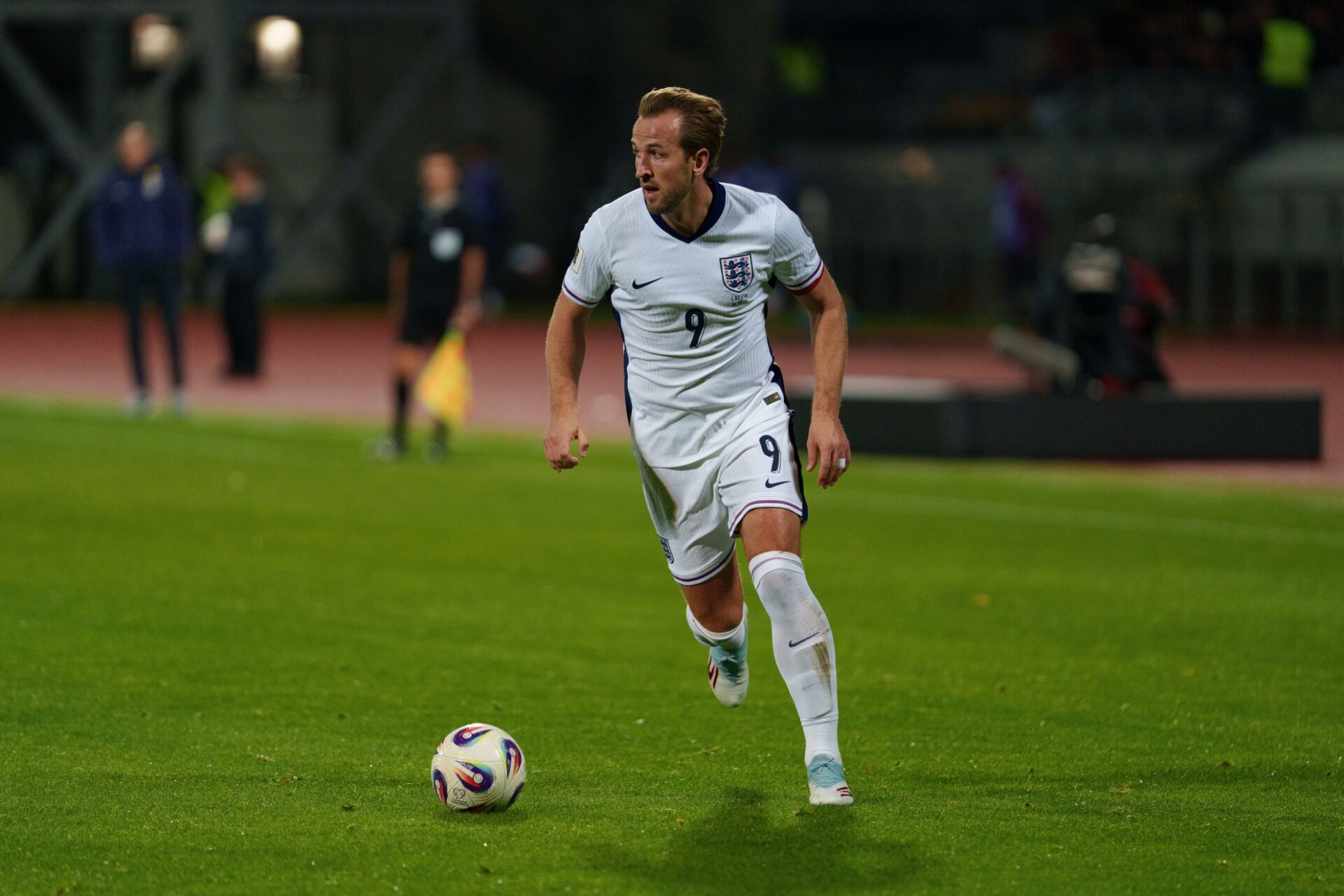
The likes of Harry Kane, Leo Messi and Virgil van Dijk will all be calling Kansas City their home throughout the World Cup.
England will base themselves at Swope Soccer Village, while World Cup holders Argentina have selected the state-of-the-art Compass Minerals National Performance Center. The Netherlands have also chosen Kansas City, underlining the city’s growing reputation as a serious football hub rather than a secondary host market.
So why are multiple elite nations converging on the same Midwest city? Geography, infrastructure and high-performance facilities are at the heart of the decision.
A central location perfect for a continental tournament
The 2026 World Cup will span three countries and multiple time zones, placing an unprecedented logistical burden on teams. Unlike previous tournaments held within one compact nation, travel planning will be a competitive factor in its own right.
Kansas City’s appeal begins with its position on the US map.
- Centrally located between East and West Coast host cities
- Shorter average flight times to many US venues compared to coastal bases
- Reduced time-zone disruption
- Warm but manageable climate
For squads expecting to play group-stage fixtures across different regions, a Midwest base offers flexibility.
Even before the draw is made, teams can mitigate the risk of cross-country travel fatigue by positioning themselves near the geographic centre of the tournament footprint.
Climate also plays a role. Kansas City’s early-summer conditions typically bring warm but manageable temperatures, offering consistency in training preparation compared to more humid East Coast venues or extreme heat in certain southern markets.
Suggested Articles


England’s choice: Swope Soccer Village
England’s decision to use Swope Soccer Village reflects a preference for dedicated football environments rather than multi-use facilities.
The complex is one of the largest purpose-built soccer venues in the United States, featuring:
- Multiple full-size pitches
- Professional-standard surfaces
- Space for secure training zones and media operations
For a national team, privacy and routine are essential. A campus-style facility allows controlled access, structured recovery programmes and minimal disruption from commercial demands.
Kansas City’s established football culture – driven in part by MLS side Sporting Kansas City – also provides a knowledgeable local environment without the overwhelming spotlight of larger coastal cities.
Argentina’s high-performance base
Argentina will train at the Compass Minerals National Performance Center, the elite training home of Sporting Kansas City. The facility is designed to replicate European club-level environments, with modern sports science, recovery and conditioning resources.
That profile aligns closely with the expectations of the reigning world champions. At this stage of tournament planning, marginal gains matter – from pitch quality to recovery suites and performance analysis spaces.
The Netherlands’ decision to also select Kansas City further reinforces the city’s credibility. Once one major federation commits, others often follow, particularly when logistical modelling highlights similar advantages.

A growing World Cup hub
Kansas City will also host World Cup matches at GEHA Field at Arrowhead Stadium, adding another layer of appeal. A host city base reduces unfamiliarity with local transport networks and operational planning.
In summary, Kansas City offers:
- Geographic balance in a three-country tournament
- Elite, purpose-built football facilities
- Manageable summer climate
- Established sporting infrastructure
For England, Argentina and the Netherlands, the decision is less about glamour and more about optimisation. In a World Cup defined by scale and travel, Kansas City may prove to be one of the smartest strategic choices of 2026.